Your Email Deliverability Problem Is Really A List Problem

If you are bouncing between Mailchimp, Keap, Zoho, and Kajabi trying to fix your email deliverability, the problem is probably not your platform. It is your list. In this post you will see why cold bulk email hurts your reputation, what the law actually says, and a smarter outreach strategy that leads to real conversations with the right people.
The Hard Truth About Your Email List
How Cold Email Damages Deliverability
What Spam Filters Look For
A Real World Example of a Mailchimp Account Shutdown
What To Do Instead of Cold Emailing
What a Healthy Email List Delivers
Build a Permission-Based Email List
When your emails aren’t getting delivered, it feels unfair. You’re working hard. You have something valuable to say. And you just want to get in front of the right people.
But here’s the internal problem: deliverability issues make you doubt everything — your platform, your subject lines, even your message.
And philosophically, there’s a deeper truth. The inbox is built on consent. Not shortcuts.
Whether you’re a financial advisor, consultant, or thought leader, your audience expects you to show up with integrity — not in a way that feels sneaky.
As a Mailchimp Pro Partner, I’ve seen super smart business owners get tangled up simply because no one ever explained how deliverability actually works. And I get it. You’re not trying to spam people. You’re trying to grow.
That’s why this post exists — to give you clarity, confidence, and the right strategy going forward.
The Hard Truth About Your Email List
If your deliverability feels like a flop, it’s not because email is mysterious or your platform suddenly stopped working. It’s because the list you’re sending to was never built to receive what you’re sending.
Here’s the truth no one likes to say out loud.
When you send mass emails to people who never subscribed, inboxes will see you as a spammer (which, well, you kind of are) and will treat you as such.
And I understand the temptation. When you want to grow quickly, buying a list feels efficient. It feels like skipping the line. But email isn’t Disney World. There is no Fast Pass. Or Lightning Lane Pass. Or whatever the heck it is they’re calling it now.
You cannot force your way into someone’s inbox and expect good outcomes.
“When you send mass emails to people who never subscribed, inboxes will see you as a spammer (which, well, you kind of are) and will treat you as such.”
Subscribers don’t want to be bought. This is why permission-based email list growth matters more than list size, especially if you want your emails to land in inboxes instead of spam folders.
Platforms don’t allow it.
And the numbers show it every year: cold, unverified lists destroy deliverability at a rate no optimization tactic can fix.
I say this as someone who has helped companies untangle expensive deliverability problems. As a Mailchimp Pro Partner, I’ve seen platforms shut down accounts, suppress audiences, and permanently limit sending for one reason: the list was the problem.
The good news?
You can rebuild audience trust.
You can restore deliverability.
But you need a permission-based strategy.
How Cold Email Damages Deliverability
Cold email isn’t just inefficient. It’s risky in an inbox environment that is more aggressively filtered than ever.
According to Orbit Media and QuestionPro’s 2025 Spam Statistics Report:
Spam exposure is rising, with more than half of people saying that 30% or more of their daily email is spam.
The percentage of people whose daily emails are 50–70% spam jumped to 22%, the highest in four years.
AI-generated spam is increasing, with 41% people believing that some spam in their inbox is created by AI.
According to Orbit Media and QuestionPro’s 2025 Spam Report, nearly half of people say that 30 percent or more of their daily email is spam. It’s one reason platforms aggressively filter bulk, unsolicited messages.
As spam grows, inbox providers respond with stricter filtering, more aggressive reputation scoring, and tighter enforcement of permission-based sending. And every major email service provider — Mailchimp, MailerLite, Kit, and Constant Contact — explicitly prohibits purchased lists because they are the highest-risk sources of spam complaints, blocks, and bounces.

Annie Figenshu is an Intuit Mailchimp Pro Partner, working with businesses to build permission-based email strategies that protect deliverability and long-term trust.
So when you send to people who never opted in:
your domain reputation weakens
your emails are more likely to be flagged as suspicious
your future campaigns (even legitimate ones) face steeper filtering
your platform may limit or disable sending
This is why your:
open rates look wonky (campaigns show 0% or 100% opens)
clicks seem suspiciously low (or just plain suspicious)
messages disappear into spam folders
hard bounces increase
It’s not a mysterious algorithm shift.
It’s the natural consequence of emailing people who didn’t choose you.
What Spam Filters Look For
Mailchimp explains that spam filters evaluate several signals together. Here’s what that means without any kind of marketing jargon.
Campaign Metadata
The basic ID of your email: who it’s from, the subject line, how it’s built. If anything looks off, filters get cautious.

According to Mailchimp, spam filters evaluate campaign metadata, authentication, IP reputation, and audience quality before deciding whether an email reaches the inbox.
Authentication
Proof that your email really comes from you. Think of it as a Real ID. Without it, inboxes don’t trust the message.
IP Reputation
Your sender credit score. Bounces, complaints, and low engagement drag it down fast. Purchased lists do the most damage here.
Audience Quality
Did these people ask to hear from you? Do they open and click? A healthy list shows real choice. A bought list does not, and filters can tell.
Mailchimp is explicit that high bounce rates and abuse complaints hurt sending reputation, and that filters are constantly adjusting. Permission-based lists are the foundation. Shortcuts undermine everything else.
A Real Example of a Mailchimp Account Shutdown
A client imported a large ZoomInfo list into Mailchimp. The account was flagged and disabled.
Mailchimp required proof of opt-in: timestamps, IP addresses, signup forms. None existed. The list had to be removed entirely before sending could resume.
This wasn’t personal. It was policy enforcement.
Platforms are getting stricter because spam is rising, and inbox trust is fragile.
In fairness, if I knew then what I know now about deliverability, I wouldn’t have let things go as far as they did with this client. I had been told that the people on the list had opted in, but I should have probed further to save him a lot of time, money, and hassle.
What to Do Instead of Cold Emailing
There is a better way, and it works consistently. It’s just a slower-and-steadier approach.

A better alternative to cold emailing: stop using purchased lists, rebuild your audience through opt-in, and focus on intentional one-to-one outreach instead of mass blasts.
1. Stop emailing people whose info you purchased
Not less often. Not one last campaign. Stop. Now, there are some tools that are designed for cold emailing, Instantly.ai, for example. I haven’t fully played around with those. So I have to try them and then will create a post about my experiment.
2. Rebuild with a clear opt-in path
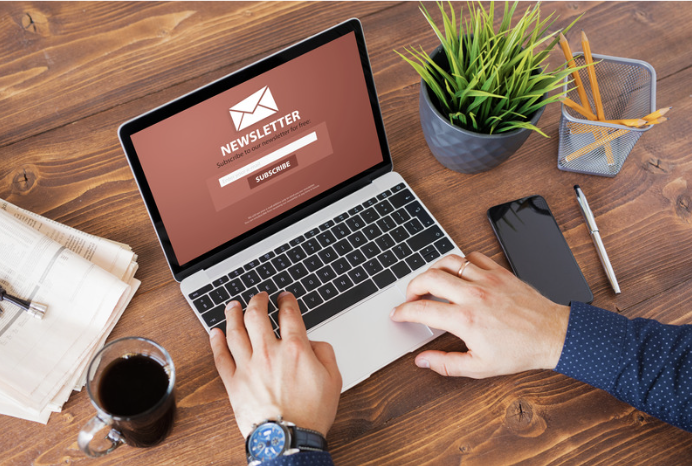
Rebuilding starts with creating an opt-in path that actually works, beginning with a clear, intentional email signup form.
People will give you their email when the value is clear. Lead generators, resources, newsletters, and simple invitations all work.
3. Replace cold blasts with diligent one-to-one outreach
If you need to reach new people, start conversations. Ask for input. Invite participation. Interviews and collaborative content open doors without burning reputation.
What a Healthy Email List Delivers
Your emails get to the people they are supposed to.
Your metrics stabilize.
Your list becomes an asset instead of a risk.
You stop fighting the inbox and start working with it.
Email still works. It just rewards trust.
Build a Permission-Based Email List
If you want help rebuilding your list strategy the right way, schedule a Spotlight Strategy 1-Day. In one focused session, we’ll clean up your approach, protect your deliverability, and map a permission-based plan you can actually stick to.
Because sustainable email growth works best when it’s paired with a content-first visibility strategy that gives people a reason to opt in.
You stop being tossed around by every trend and start making deliberate choices about what belongs in your business and what doesn’t.
That’s the difference between feeling behind and feeling in control.
You can decide, “This is worth my time,” or “That’s interesting, but not for me right now.” Both are wins. Because you made the call.