
NJ Marketers Talk Shop at the Marketing Algonquin

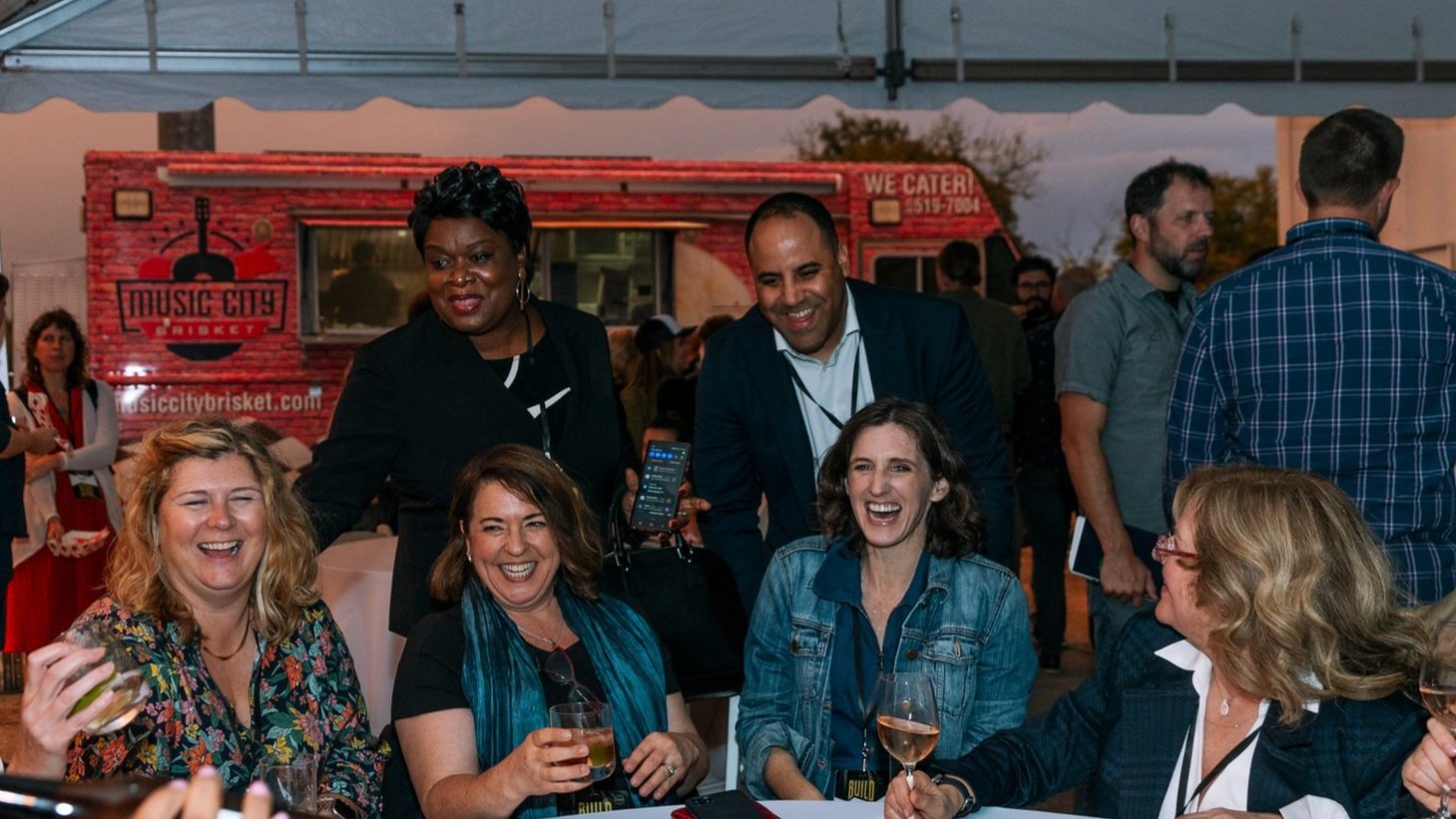
Lisa Barfield, Marc Angelos, and Annie Figenshu around the table at the Marketing Algonquin.
In the mid-1920s, a group of quick-witted writers gathered regularly at the Algonquin Hotel in New York. They tossed around ideas, quips, and critiques over long lunches. Those conversations didn’t stay at the table.
They spilled into columns, essays, plays, and screenplays.
They helped shape literary culture, media culture, popular culture. They didn’t just share opinions. They launched institutions. The New Yorker, with its sly covers and smart columns, was born from that very table.
The Algonquin Round Table wasn’t just a social circle. It was a spark.
We borrowed the concept a couple of weeks ago.
But instead of drama critics and playwrights, we had local marketers and media minds.
Instead of long (liquid?) lunches, a cozy dinner at a former opera house.
Similar vibe, different time.
We called it the Marketing Algonquin. It is an experiment in showing up, sharing generously, and staying sharp together.
And it got me thinking:
If we’re all craving more connection and perspective… maybe it’s time we stop waiting for the right room and start building it.
Why I Created the Marketing Algonquin
What We Chatted About
What it Felt Like
What’s Next
Why I Created the Marketing Algonquin
A lot of marketers are feeling the tension right now. Budgets are shifting. Client expectations are high. Teams are stretched thin.
And when the energy changes in the industry, the best way to stay sharp isn’t to go it alone. It’s to sit down with people who get it.
That was the whole idea:
Show up.
Have a meal.
Talk shop.
Trade ideas, challenges, perspective, and support.
Build something that feels more like a circle than a hustle.
We held it at Winberie’s, a neighborhood spot in Summit that used to be an opera house. Which felt perfect.
A little nod to creative roots, collaborative spirit, and conversations that echo beyond the room.
What We Chatted About
Trends. Tools. People who are doing it right. What we can learn from them. How to monetize.
How to keep momentum when clients are cautious.
What AI can’t replicate (yet).
Whether it makes sense to build a personal brand or your business’s brand.
There was no agenda. No panel. No mic.
Just smart people showing up with their full brains and open questions.
What It Felt Like
Lisa Barfield of Clear Point Marketing said of the Marketing Algonquin:
“Connecting with like-minded pros through our shared excitement for marketing was like creative fuel. And it was just plain fun. Can’t wait til we do it again.”
“When I think of the original Algonquin, I picture sharp writers tossing around ideas and one-liners over long lunches in New York.
Ours was the 2.0 version—modern, innovative and dynamic.
Connecting with like-minded pros through our shared excitement for marketing was like creative fuel.
And it was just plain fun. Can’t wait til we do it again.”
Marc Angelos, the founder of content strategy firm Anvictus added:
“The Algonquin group provided an amazing opportunity to connect with like-minded business owners, IRL.
The idea-stacking, insights and feedback were priceless.
Because after all the AI, digital and media...business is really about building relationships.”
That part.
Because yes, we all work in content, ads, media, strategy.
But underneath all of it?
Marketing is still a people business.
And a conversation - face to face, phone down - still does something magic.
What's Next
We’re making this a quarterly thing.
The next Marketing Algonquin will be in August. Like last time, it’ll be intimate: no more than eight people around the table.
If you’re a local marketer who wants to stay sharp, connected, and ready for whatever’s next—drop me a line. I’ll save you a seat.
And if you’re not local? Or if you’re reading this wondering when the last time was you had a table like this—consider this your nudge.
Start the group. Make the invite. Gather your people.
Because the best way to fortify your business isn’t just another tool.
It’s the right table.

A packed workday doesn’t necessarily mean you’re growing your consulting business. Here are three activities to make time for more often than not so you can create revenue, stay in front of prospective clients, and develop relationships that lead to new opportunities.
StoryBrand Guides have access to keynotes, frameworks, and tools designed to help them grow their businesses. The challenge is figuring out how to turn those resources into client work and revenue. That’s what inspired an internal StoryBrand pilot called What Does This Make Possible? Today, that idea has evolved into the StoryBrand Guide Podcast, co-hosted by Annie Figenshu and Tyler Pigott.
Should you use a StoryBrand BrandScript or the PEACE Framework? The answer depends on what you’re trying to accomplish. Learn when to use each framework, how they work together, and why understanding the difference can help you create better marketing, faster.

Most businesses aren’t losing customers because their product is bad. They’re losing customers because their marketing is too hard to understand. Downstage Media’s upcoming live session, How to Talk About Your Business So People Actually Buy, will teach founders and B2B business owners how to simplify their talking points so customers engage faster and buy with more confidence.
Most founder-led brands generate ideas faster than their teams can publish them. In this live workshop, Annie Figenshu introduces the Content Production Team framework, a simple system that helps small teams publish content more consistently without overwhelming the organization.
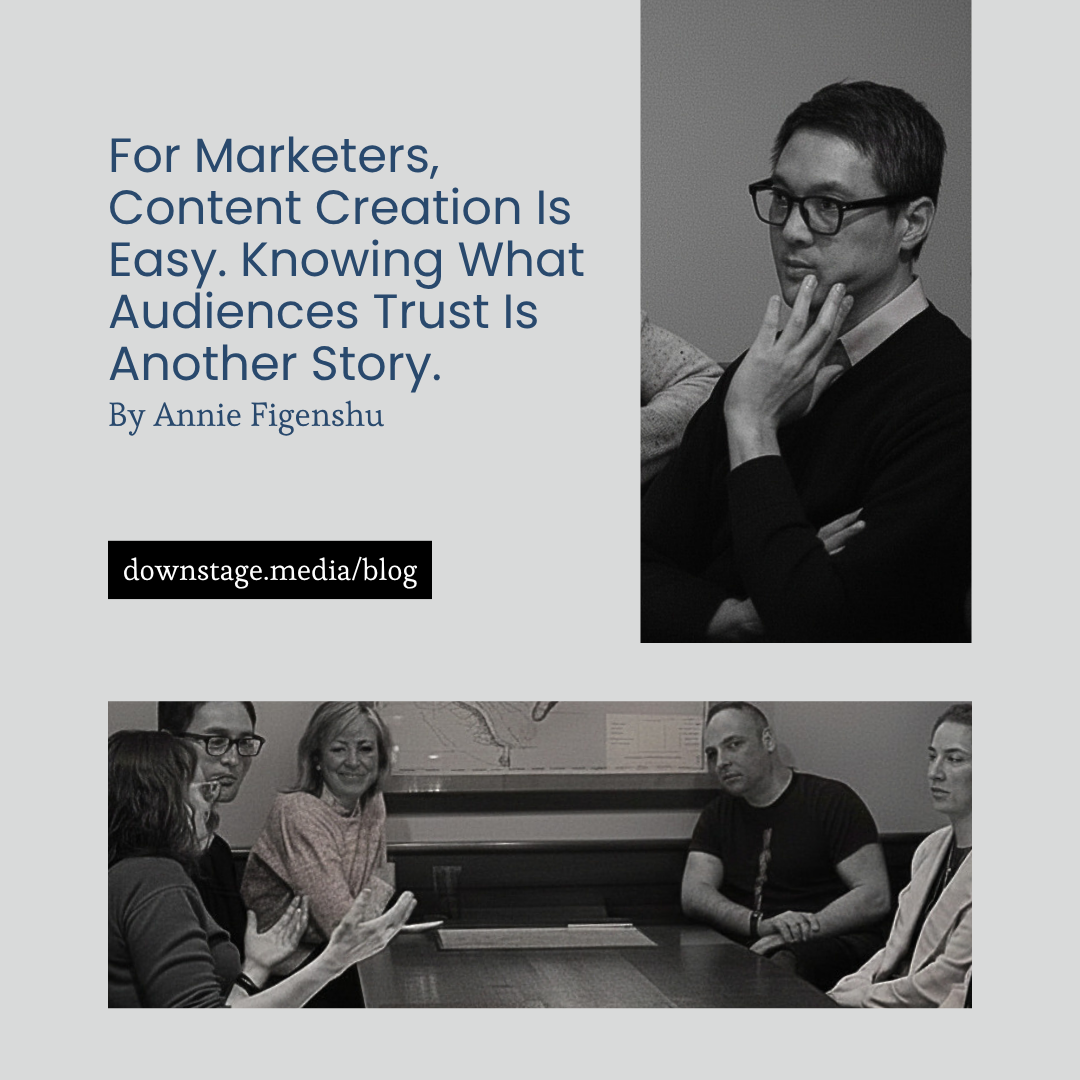
Content is easier to create than ever, and audiences are skeptical of its authenticity. If brands don’t adjust, their content will continue to be ignored. This post shares insights from The Marketing Algonquin, a private roundtable of New Jersey-based marketers, on the shift from creation to curation so your content earns what’s hardest to win: audience trust.
Most leaders have a hard time communicating clearly, which leads to checked out teams and missed opportunities. This post breaks down how improv principles fix that, so your ideas actually land and your audience gets on board.

Every thought-driven brand faces the same challenge: the ideas come fast, but the content process lags behind. The Content Production Team helps you choreograph the content by defining who does what so your thought leadership becomes consistent, scalable, and effective.
Email marketing has gotten more sophisticated. So even platforms like Mailchimp that may have seemed simple when you first signed up, require a little know how in order to get your money’s worth out of it. This blog post breaks down why working with a Mailchimp Pro Partner can help you get the results that you want so you can use email marketing to gain and retain clients.
You keep putting off blogging because it feels like too much work, and as a result, prospects lose interest and clients drift away. In this post, you’ll learn how to blog in a way that saves time, builds trust, and makes follow-up effortless so you can keep the clients you have and attract the ones you want. If you don’t blog yet, you’ll learn exactly how to start. If you already blog, you’ll see how to make it even more effective and how to contribute to Orbit Media’s annual blogging survey. Read the full post to start.

The Content Entrepreneur Expo isn’t just another industry event. It’s where creators, consultants, and founders go to sharpen their content strategy, meet real collaborators, and build businesses with staying power. Annie Figenshu—author of Simple Social Media and co-author of The Content Entrepreneur—will be there in Author Alley, ready to connect.
Growing your email audience shouldn’t feel like a guessing game. If you’re not sure what to offer, where to promote it, or how to keep it fresh, you’re not alone. In this post, you’ll get a simple, doable plan to build a healthy list filled with the right people. The kind of list that keeps your audience engaged, your content working, and your business moving forward.

Engagement posts are a smart way to build brand awareness. Used well, they boost visibility, train the algorithm, and keep you top of mind.
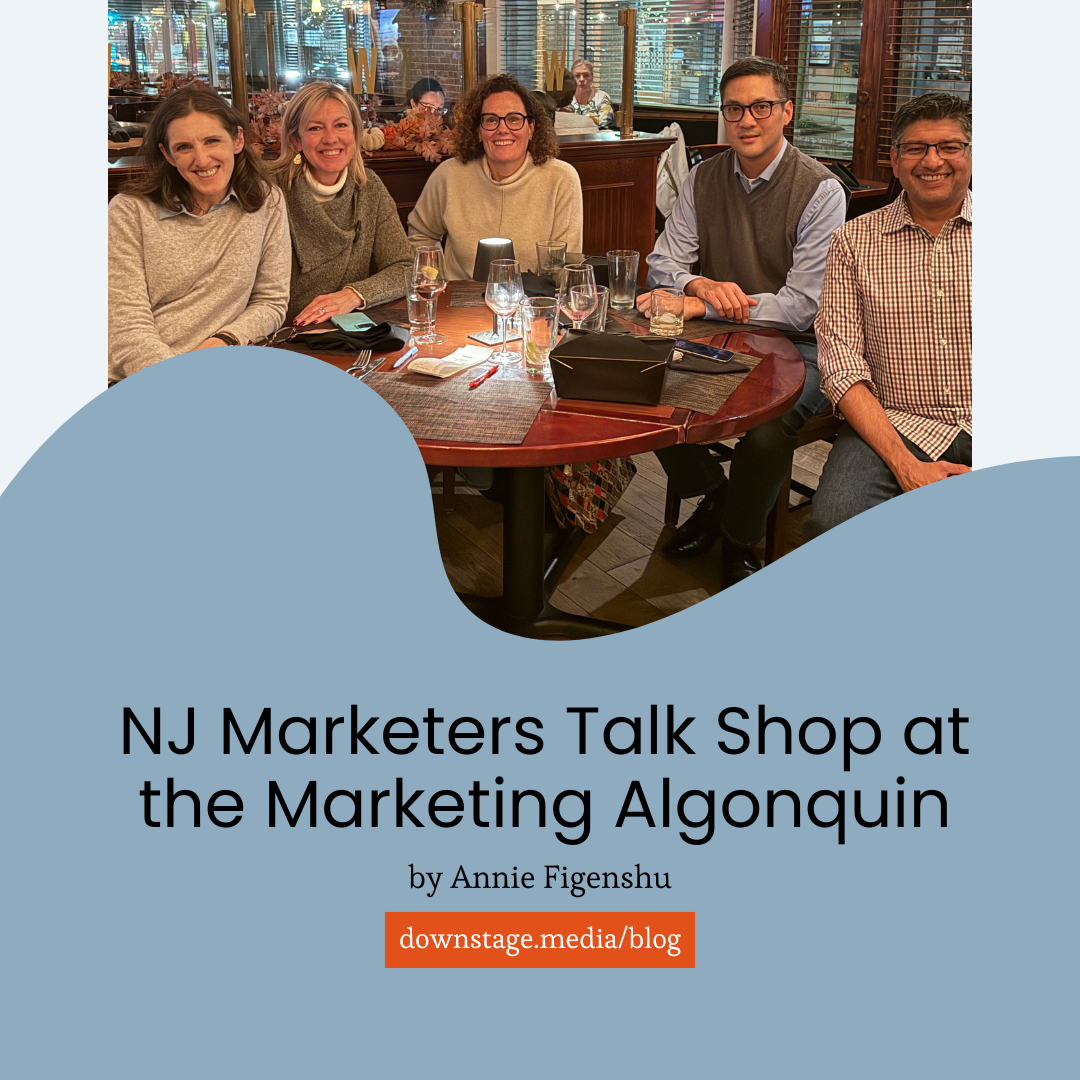
A cozy table. Sharp minds. And one very good reason to keep talking marketing offline. Here’s what happened at the first Marketing Algonquin.

You built a beautiful Squarespace website. The messaging is solid, the visuals are on point—but the traffic? Crickets. If you’re wondering why no one’s finding your site (and what to do about it), this post breaks it down. Learn why long-form content still matters, how blogging can be your website’s best traffic engine, and what a smart strategy really looks like—especially for Squarespace users who’ve done the brand work but still feel invisible.

Confused about StoryBrand Certified Guide vs Coach? Here’s what changed, why it changed back, and what it actually means for your marketing.
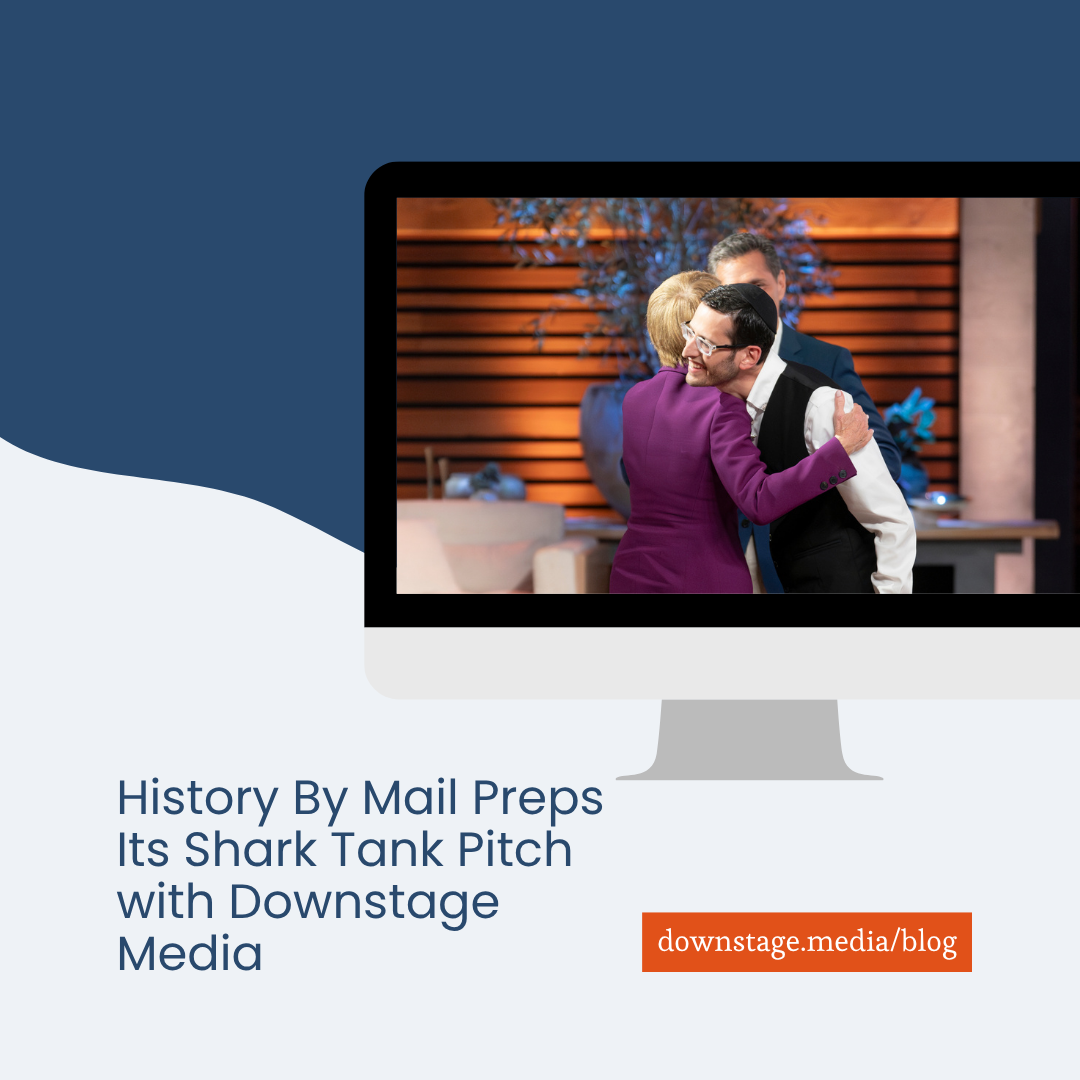
When Ari Siegel, founder of History By Mail, landed a coveted spot on Shark Tank, he turned to Downstage Media for help crafting a pitch that would resonate with both the Sharks and millions of viewers. Here’s how we shaped the message, rehearsed every word, and got ready for a once-in-a-lifetime moment on national TV.
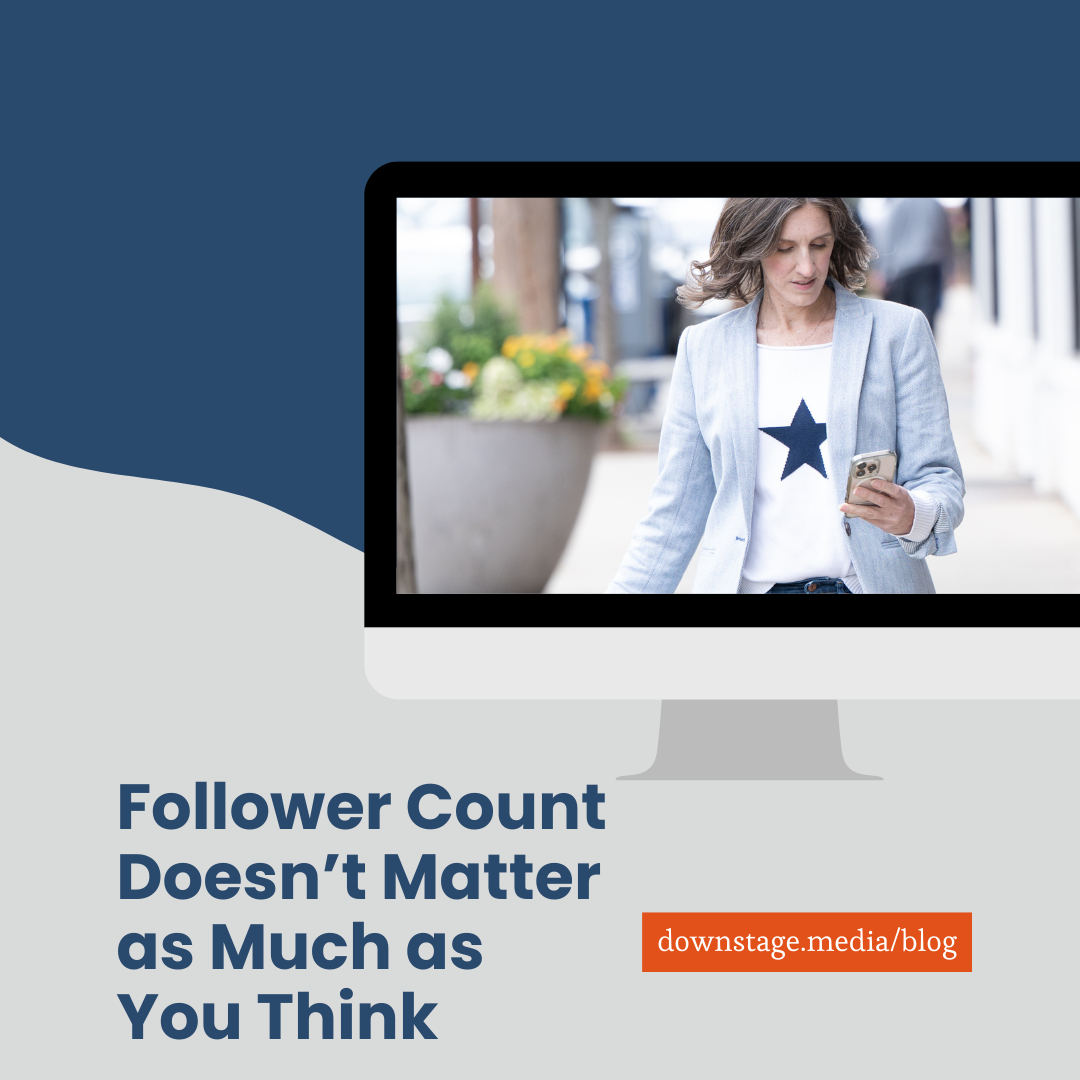
You don’t need a massive following to grow your business—you need a smart content strategy and the right systems. In this post, Annie Figenshu breaks down why email marketing still outperforms social media, how to build trust with a smaller audience, and what to focus on if you’re ready to stop chasing followers and start seeing results.
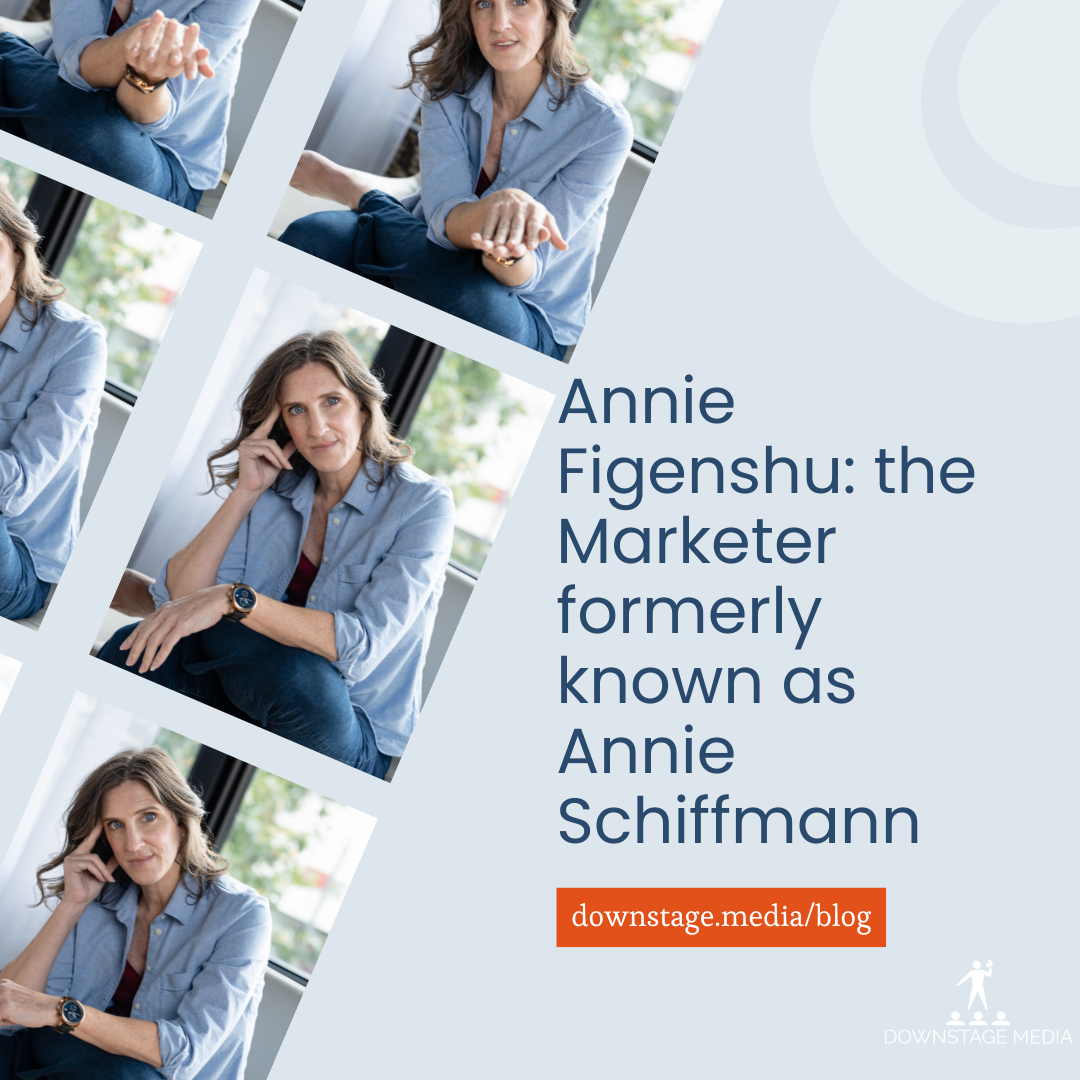
I’ve returned to my maiden name, Annie Figenshu. If you’re searching for Annie Schiffmann or wondering what the name change means, here’s the clear answer and what hasn’t changed about my work.

Get your business ready for 2025! In this post, you’ll learn a streamlined, five-step plan designed for small teams. From choosing your top focus to setting up automations and tracking the right metrics, each step is crafted to help you make an impact with clarity and confidence. Let’s start the new year with a marketing strategy that’s both manageable and powerful.
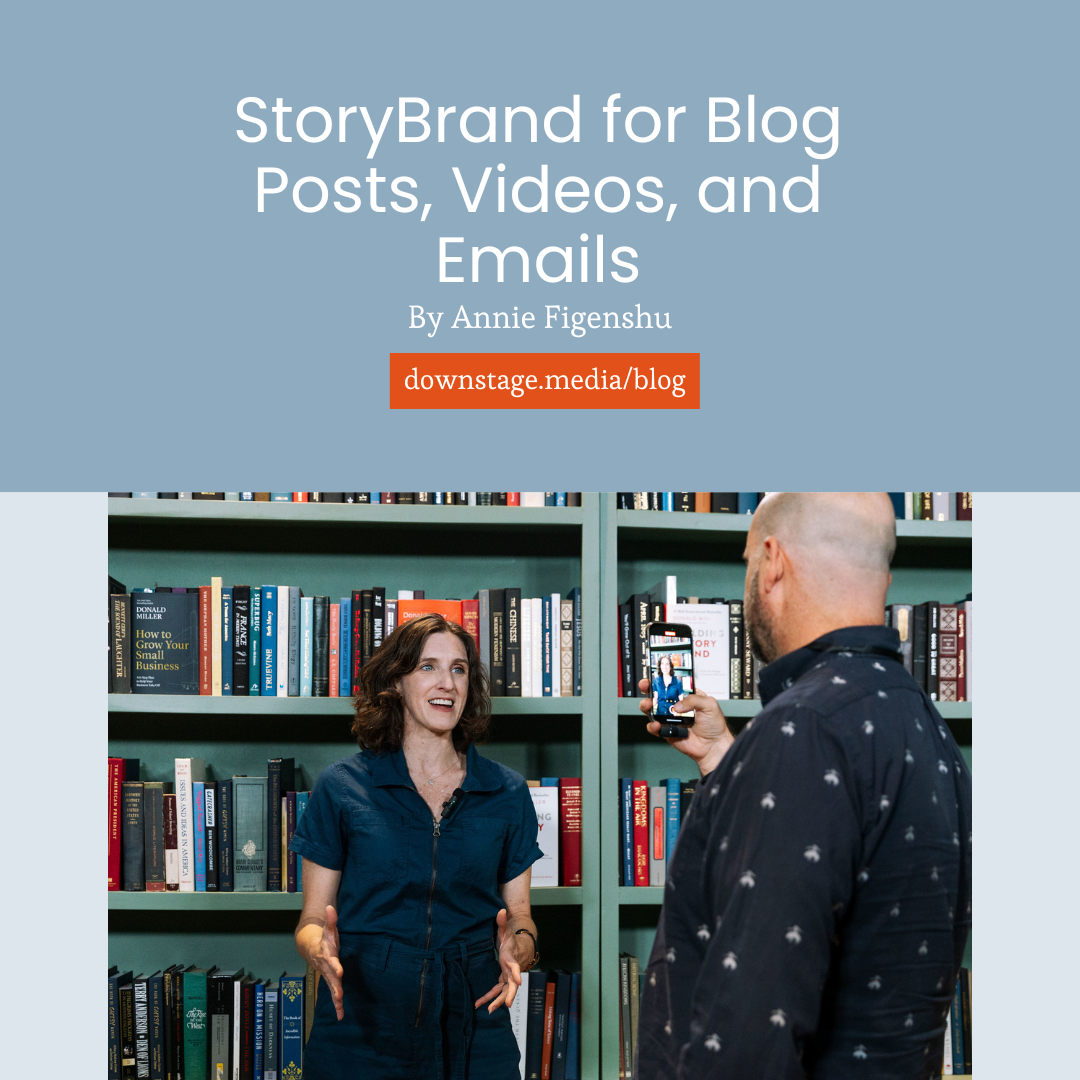
You like how StoryBrand makes your customer the hero, but applying that same thinking to blog posts, videos, and emails is a little murkier. This post shows how to use the StoryBrand framework as a jumping off point for your content marketing efforts. The result is customer-focused content that’s easier to create and more effective at building relationships.
After attending a retreat or conference, your head is full of fresh ideas and strategies that could drive your business forward. But without a plan to act quickly, those sparks of inspiration could fade. In this post, we’ll cover why it’s crucial to block time for implementation right after an event and offer practical steps to turn those ideas into long-term growth.

Service-based businesses often overlook holiday marketing, but with the right strategy, you can stand out, boost engagement, and increase revenue. By focusing on what your clients need for the new year and automating your marketing, you’ll position your business for long-term success. Don’t let the season pass you by—take charge of your holiday campaign today!

Get your email marketing ready for the holiday rush with a fully optimized email funnel before Halloween. Personalization is the key to boosting engagement and driving sales, as Mailchimp’s "This Holiday, It’s Personal" report shows that targeted emails can increase open rates by 29%. Start now and let your automated email campaigns work seamlessly through the busiest shopping season, leaving you free to focus on your business.

Discover how to use AI to streamline your content creation without losing the clarity that the StoryBrand framework provides. In this post, I share five steps to train AI on your brand voice and offerings, helping you create customer-focused content that converts while saving you time.

The Power of a Clear Brand Message: It's not easy to connect with your audience right now. Discover how a clear and compelling brand message can transform your business. Learn why a clear message drives revenue. Plus, learn what you must do before, during, and after you craft your brand message so you can get the most out of your marketing.

Struggling to find a marketing partner you can trust? You’re not alone. At Downstage Media, we understand the challenges and have built our reputation on earning the trust of clients just like you. With our Referral Madness program, you can save big while helping your friends grow their businesses. Refer a friend today, and both of you will enjoy 15% off your next invoice. It’s a win-win—join the Referral Madness and start sharing the love!
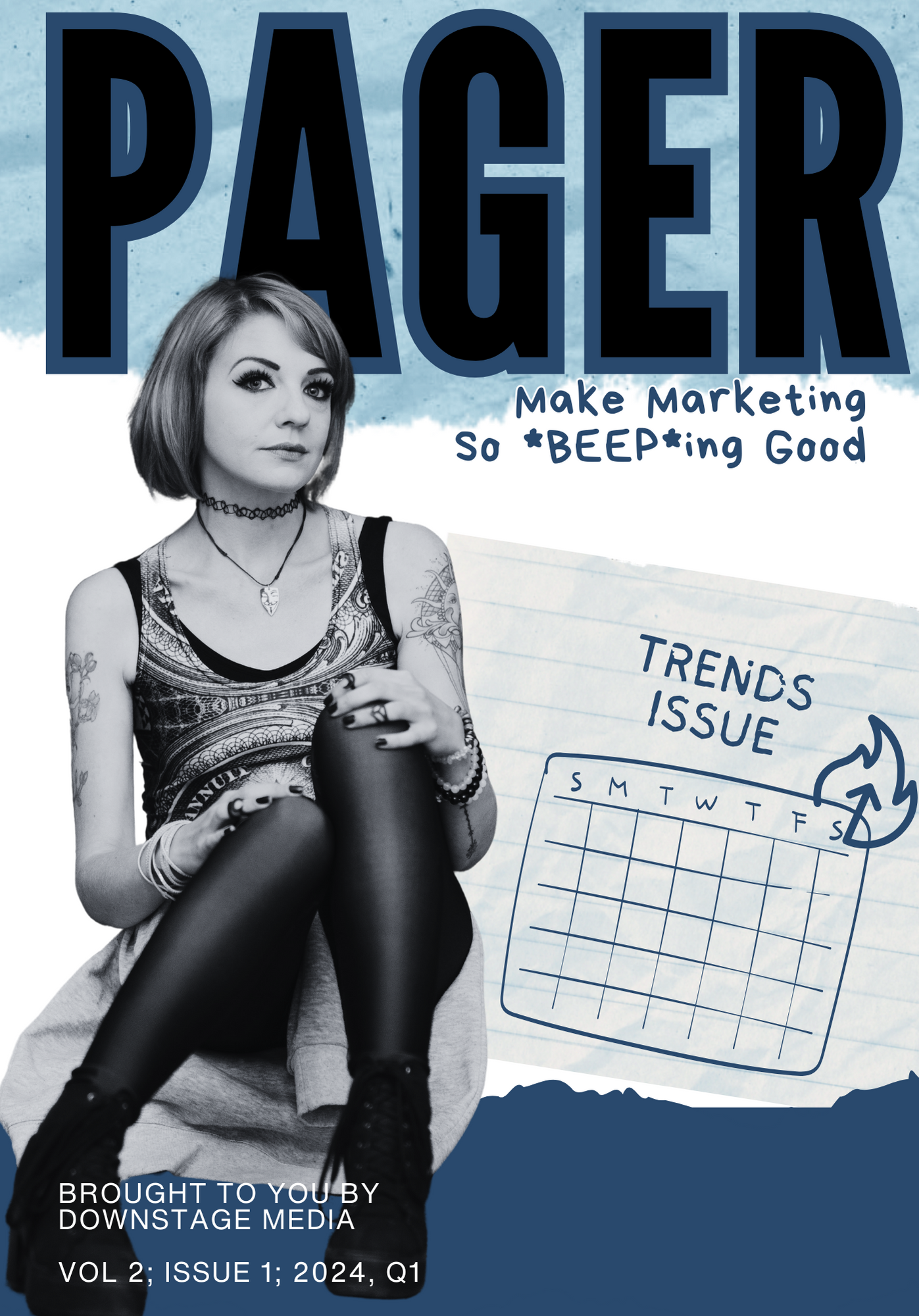
Our email inboxes and social media feeds are overloaded with marketing advice. It’s easy to tune it all out. But small adjustments to your content marketing strategy can make a big difference in your results. In this blog post, you’ll learn about Downstage Media’s PAGER zine and how you can get practical, tactical ideas sent straight to your door.
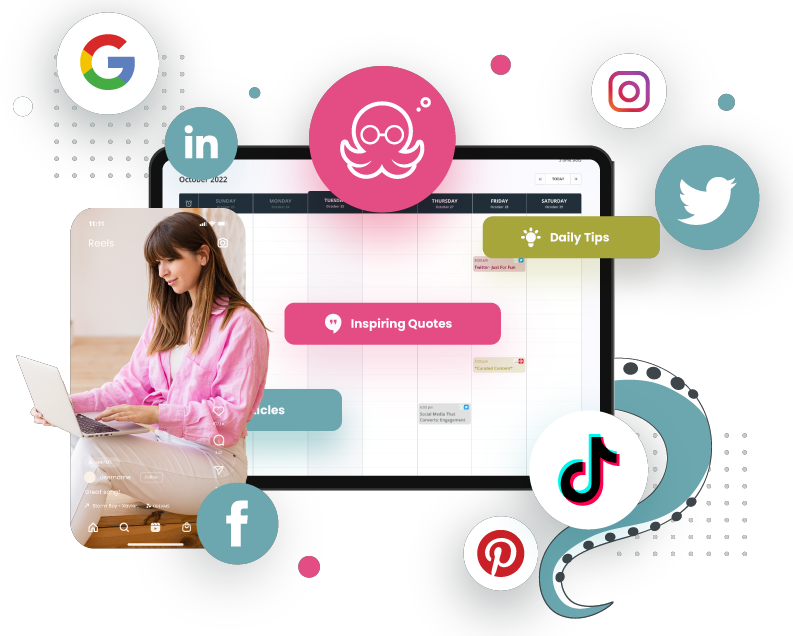
Business owners hate how much time social media eats up in their day-to-day operations. Automating content - versus simply scheduling it - frees up hours every week. At Downstage Media, our favorite tool for scheduling and automating content is MeetEdgar. Let’s break down specifically how we use it with the PAGER method for our clients, so you can figure out if it’s the right tool for you.
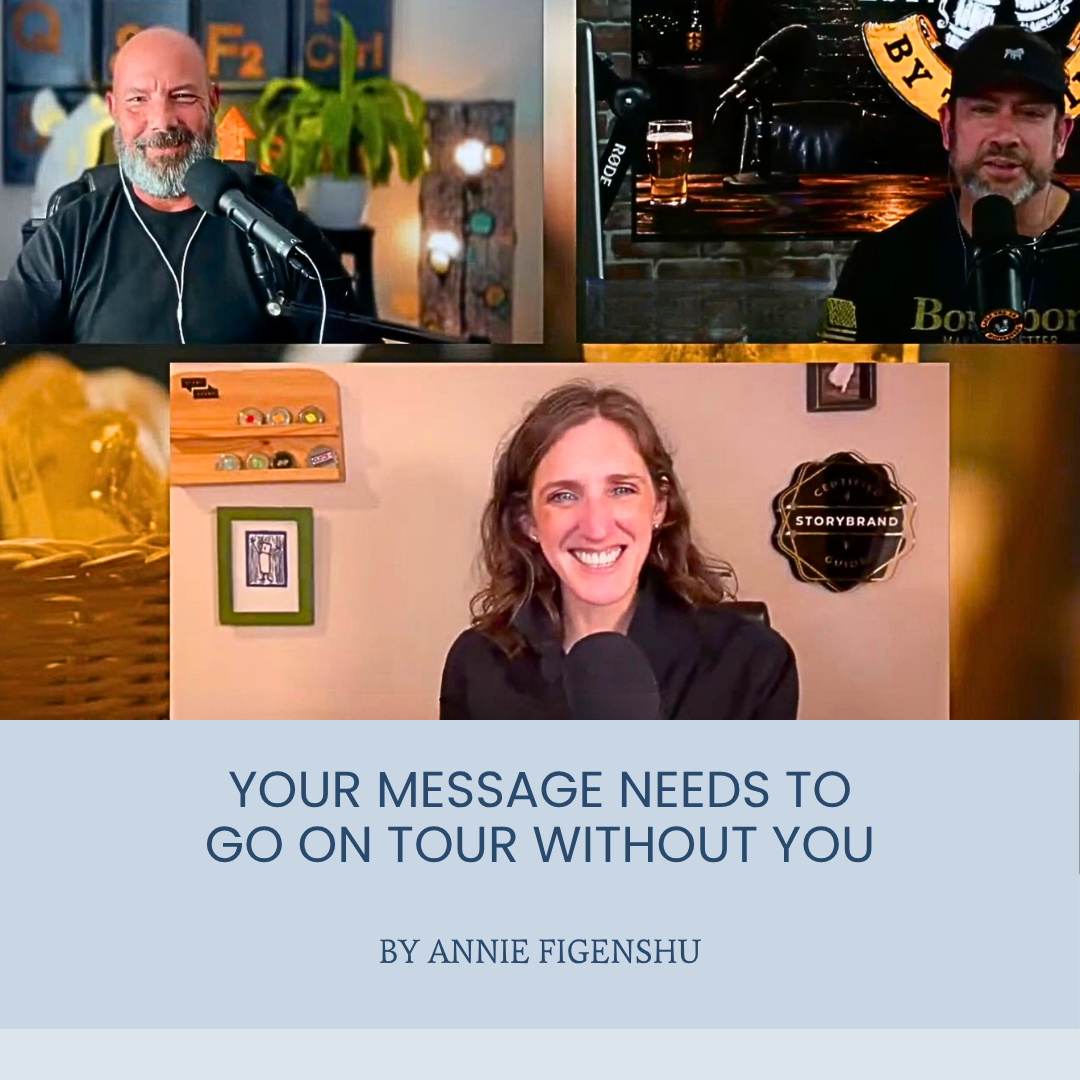
Your message needs to work even when you’re not in the room. Learn why it’s important to use words someone else can understand, repeat, and share.
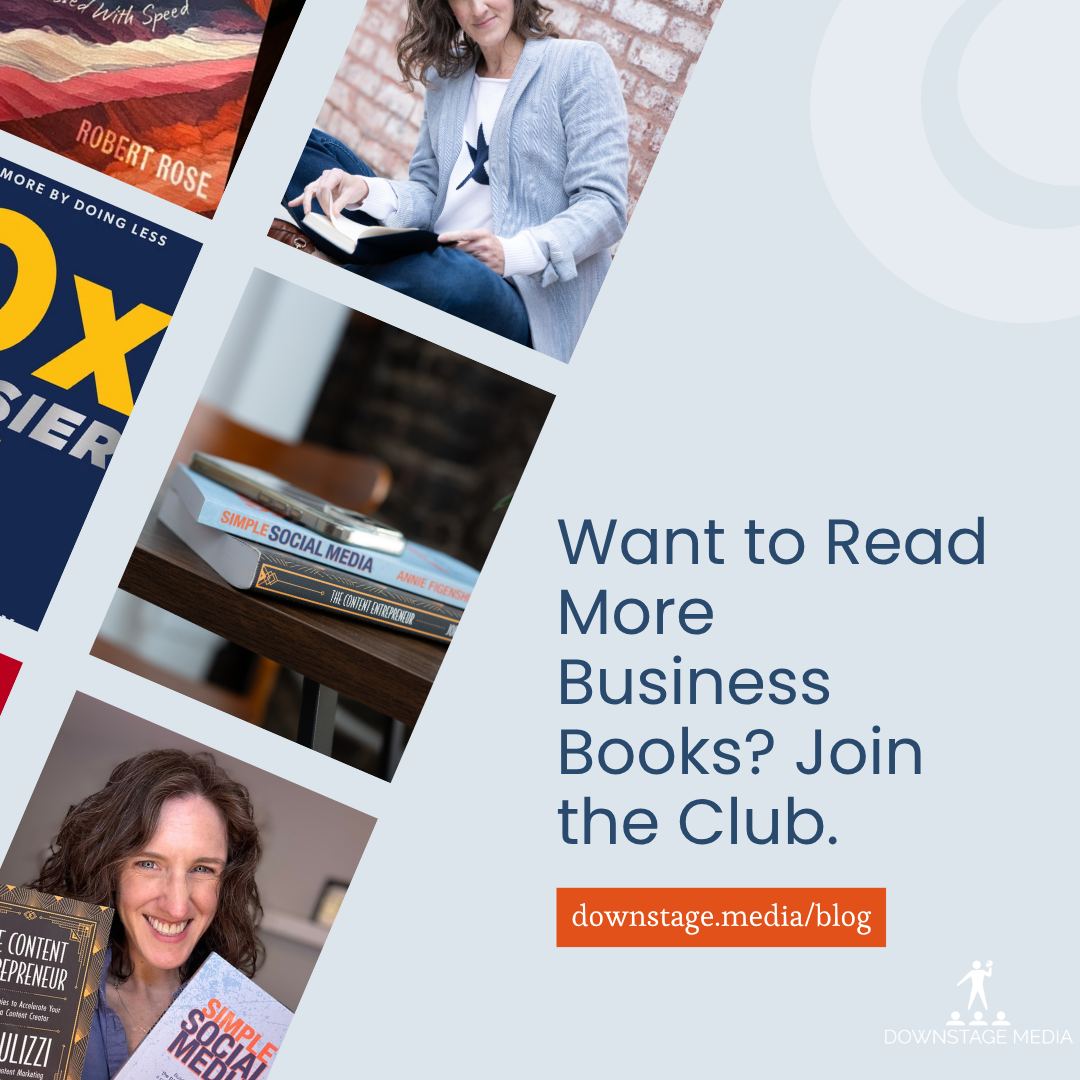
You want to read more business books, but running a business keeps pushing them down the list. The On Book Business Book Club gives you a reason to read, smart business owners to discuss the ideas with, and new ideas you can put to work in your business.
A packed workday doesn’t necessarily mean you’re growing your consulting business. Here are three activities to make time for more often than not so you can create revenue, stay in front of prospective clients, and develop relationships that lead to new opportunities.
Content is easier to create than ever, and audiences are skeptical of its authenticity. If brands don’t adjust, their content will continue to be ignored. This post shares insights from The Marketing Algonquin, a private roundtable of New Jersey-based marketers, on the shift from creation to curation so your content earns what’s hardest to win: audience trust.

AI adoption is accelerating, but without clear positioning and documented messaging, it simply scales confusion. Drawing on new books by Allison Shapira, David Newman, and Erika Heald, this post explains why AI strategy for leaders starts with judgment, differentiation, and strong content foundations.
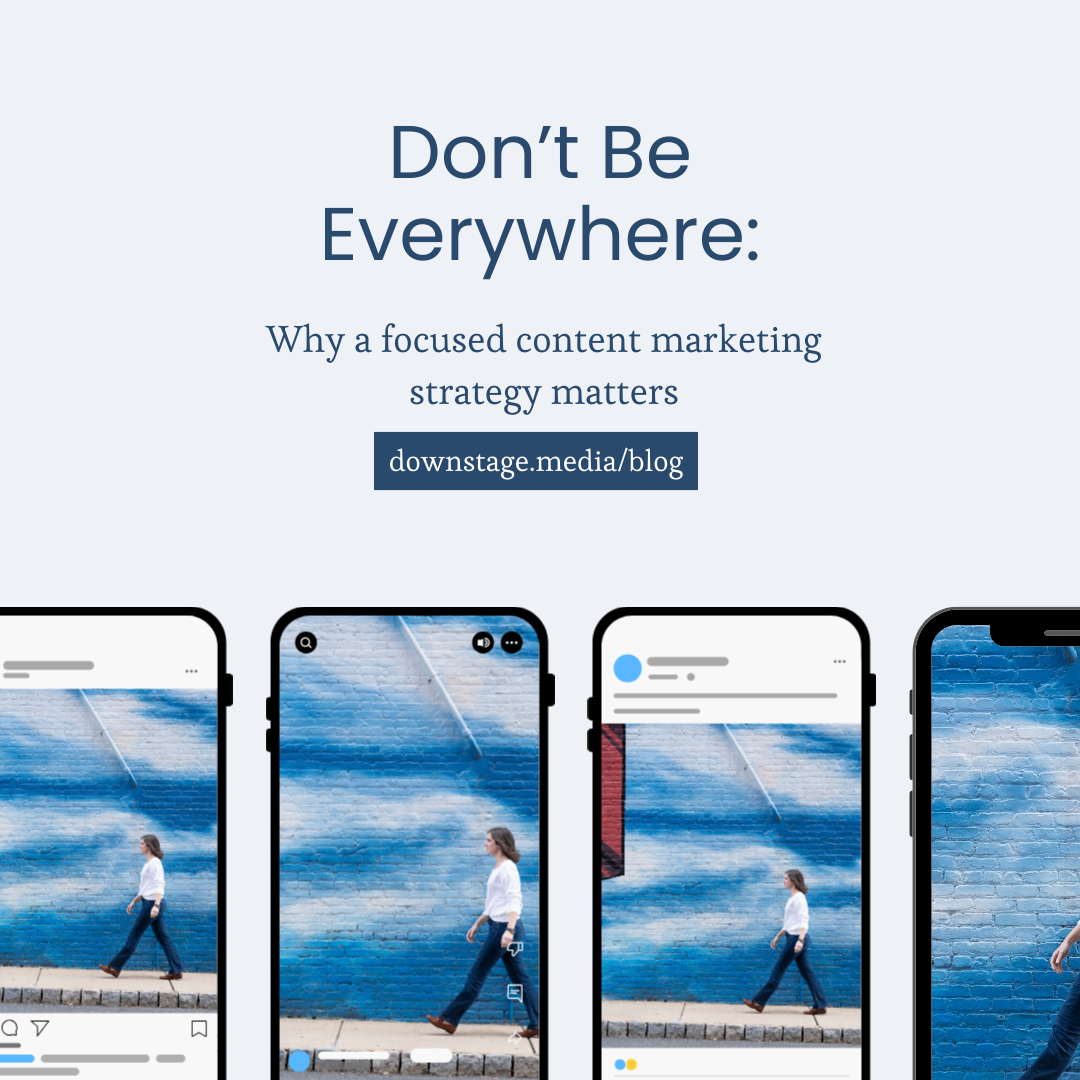
Being everywhere with your marketing sounds ambitious, but it often leaves teams stretched too thin and messages unclear. A focused marketing strategy helps people understand what you’re known for and gives your team room to do better work.
 Annie Figenshu
Annie Figenshu is keenly aware that many companies are pressed for time, and every minute counts. She helps brands make the most of their content marketing so that their hard work is shared with the world. Annie is certified in both StoryBrand and Mailchimp, has two kids with Beatles-themed names, and is afraid to think what a day without coffee would look like.
You want to read more business books, but running a business keeps pushing them down the list. The On Book Business Book Club gives you a reason to read, smart business owners to discuss the ideas with, and new ideas you can put to work in your business.